


Product Safety

We strive to improve quality across the entire product lifecycle.
Our mission is to build better quality safer electrical products. To ensure our products are safe, we go through an in-depth evaluation process that begins at the earliest stages of product conception and continues once the products have been released to market.

Quality Management

Product Safety

Leading Technology
ELECTRCAL SAFETY AT HOME
Here are our top tips to stay safe with your electrical appliances:
- Always get a professional for any electrical work that needs doing in your home.
- Check appliances regularly that all visible cables and leads are in good condition.
- Do regular checks of plugs and sockets for burn marks, sounds of ‘arcing’ (buzzing or crackling), fuses blowing, circuit-breakers tripping or if it feels too hot to touch.
- Never trail cables under carpets or rugs.
- Make sure that you are not storing flammable materials around your fuse box, electricity meter, electrical outlets or devices.
- Only buy good-quality appliances from a well- known manufacturer and follow the instructions carefully.
- Never overload your sockets or appliances like washing machines, tumble dryers and dishwashers.
- Don’t leave appliances running overnight or when you are out, unless they are designed to be left on. Always switch them off when they are not being used. When leaving appliances on, use time switches if practical.
DON’T DIE FOR DIY
Many people now turn to Google or YouTube for DIY tips, but you need to make sure you’re getting guidance from a reputable source. If you need any electrical work done in your home, the best option is always to get a professional to do the job for you.
TOP FIVE TIPS FOR ELECTRICAL DIY
- One of the most common DIY errors is accidentally drilling, nailing or screwing things into cables hidden inside your walls. A cable detector can help to track buried cables before you start work and avoid the risk of an electric shock.
- An RCD (residual current device) can save your life by cutting off the power in the event of an electrical fault caused. Make sure you have one fitted in your fuse box, and where necessary use a plug- in RCD.
- If you’re doing any work near electrical wiring or power supplies, ideally shut off the power in your fuse box and use battery powered tools. To be sure that power is off before beginning DIY, plug an appliance into sockets and try switching on the lights.
- Before using any power tools, check the lead and plug are in good condition. If you can see signs of damage (such as frayed wires) get the equipment repaired before using it. And watch out for the power lead at all times so you don’t accidentally cut through or trip over it.
- The best way to avoid any electrical problems in the home is to seek the advice of a professional. If you’re not sure, don’t DIY.
FIRE SAFETY
Over half of accidental domestic fires in the UK are caused by electricity. Most are caused by electrical products, either through misuse or faults. The majority of these fires begin in the kitchen, with cooking appliances the main cause. Some simple ways of preventing electrical fires include:
- Keep flammable materials (clothes, papers, cleaning materials etc.) away from electrical outlets.
- Never overload your sockets or appliances like washing machines, tumble dryers and dishwashers.
- Don’t leave appliances running overnight or when you are out.
- Do regular checks of plugs and sockets for burn marks, sounds of ‘arcing’ (buzzing or crackling), fuses blowing, circuit-breakers tripping or if it feels too hot to touch.
OVERLOADING SOCKETS
Only use one socket extension lead per socket and never plug an extension lead into another extension lead. Additionally, use a multi-way bar extension lead rather than a block adaptor, as this will put less strain on the wall socket. Some block adaptors do not have a fuse, which increases the risk of overloading and fire. If you use extension leads and adaptors regularly, consider having additional sockets installed – and use a registered electrician to do this.
Check regularly for the following danger signs:
-a smell of hot plastic or burning near an appliance or socket
-sparks or smoke coming from a plug or appliance
-blackness or scorch marks around a socket or plug, or on an appliance
-damaged or frayed leads
-coloured wire inside leads showing at the plug or anywhere else
-melted plastic on appliance casings or leads
-fuses that blow or circuit-breakers that operate for no obvious reason
VISUAL CHECKS
It is important to make sure that the electrical installation in your property is well maintained, and we recommend that you use a registered electrician to check that it is safe.
However, here are some simple visual checks that you can do yourself:
-check that you have RCD protection in your fuse box
-make sure that your plug sockets are not overloaded
-ensure that plugs and sockets are not damaged
-check that visible cables and leads are in good condition
-check that your light fittings are not visibly damaged and that downlighters are in good working condition
-check that you are not storing combustible materials around your fuse box, electricity meter or electrical intake
-don’t use the top of the microwave for extra storage
-never trail cables under carpets or rugs
-never take mains-powered electrical items into the bathroom
-always switch off your electrical items when they are not in use
SIMPLE TIPS FOR KITCHEN SAFETY
To avoid water coming into contact with electricity, make sure that your sockets or switches are fitted at a safe distance (at least 30cm horizontally) from the sink. Also, don’t leave electrical appliances like dishwashers or washing machines running unattended. Check regularly that flexible leads and appliances such as kettles and toasters are in good condition. Don’t try to clean or repair an appliance when it is still plugged in or wrap flexible cables around any equipment when it is still warm. Never try to get toast that is stuck out of a toaster while it is plugged in, especially not with a metal knife as there are often live parts inside. Make sure you thoroughly clean your oven and grill – a build-up of fat and grease is a major cause of fires. Avoid storing objects on top of appliances like the microwave, which can block ventilation, and check your plug sockets are not overloaded with too many electrical appliances as this can lead to overheating. Defrost your fridge and freezer at least once a year to ensure these appliances continue to work properly. Most importantly, make sure you have a working smoke detector in case something does go wrong.
BATHROOM SAFETY
Water carries electricity efficiently. But, if the two mix, the result can be deadly. So, the bathroom is possibly the most dangerous room in the house when it comes to electrical safety. The consequences of an electric shock are far more severe in a bathroom or shower room as wet skin reduces the body’s resistance. Therefore, sockets are not allowed in bathrooms or shower rooms (apart from shaver-supply units) unless they can be fitted at least three metres from the bath or shower, to avoid splashes. Enclosed ceiling lights are also preferable to the ones that hang down and all light fittings that are not enclosed should be out of reach of someone using, or still wet from using, the bath or shower. Everyday light switches are a danger because of dampness and wet hands. A ceiling-mounted pull-cord switch is the safest option. Central heating is the safest way to keep a bathroom warm but if you do have an electric heater, it must be fixed at a safe distance from the bath or shower. Electric and gas water heaters in a bathroom must be fixed and permanently wired, unless they are powered by a socket fitted three metres from a bath or shower and a pull-cord or switch outside the bathroom is the ideal way to control electric heaters.
GARDEN SAFETY
Although electricity makes gardening much easier, wet conditions and contact with the ground means that the risk of injury or death from electric shock is much greater than the risk from using electrical equipment indoors. Electricity and water don’t mix, so don’t use electrical equipment outdoors until it is dry.
To help you stay safe, use a residual current device (RCD) with all outdoor electrical equipment. If you don’t have one built into your fuse box, use a plug-in RCD. Also, don’t forget to switch off and unplug electrical items before cleaning, adjusting or checking them. Store equipment in a dry, safe place and check that it hasn’t been damaged or affected by water before using it. In addition, be aware of where the electrical power cable is at all times and of course, never use electrical equipment in wet conditions!
Cut the grass, not the cable- only buy a good-quality lawn mower/ hedge trimmer from a well- known manufacturer and follow the instructions carefully. When cutting the grass/ hedge, wear shoes that protect your feet (not sandals). Unplug the lawn mower and wait until the blades have stopped turning before cleaning blockages. Obviously, keep children far away from the appliance and be careful if you are digging in the garden- electric, gas or water services may be buried underneath.
FOOD WARMING HOTPLATES
It is important to remain with your hotplates at all times, and it is important to follow the same precautions you would use with stoves, grills and other cooking appliances. Warming trays and food warmers can become quite hot, so make sure to handle them carefully to avoid burns. Be sure to use potholders or oven safe gloves to handle the warmers and the trays. This will help to keep you safe and help you avoid burns and other cooking injuries. In addition, it is important to keep an eye on your food warmers while you are serving your meals. Adjusting the food warmers to the proper temperature will keep your food warm enough for your guests without risking either burns or overcooking. While it is important to take the risk of food warmer overheating and fire hazards into account, it is just as important to be aware of the problems that can result if the temperature drops too low. Food safety is an important consideration when using warming trays to keep foods ready for your guests, and it is important that the temperature of meats and other foods meant to be served hot not drop below 140 degrees Fahrenheit. If hot foods are allowed to drop below that temperature harmful bacteria could cause food poisoning and other problems.
HOT WATER URNS
If you notice a burning smell or any unusual noises, switch the hot water urn off immediately and contact the retailer and/or manufacturer. Make sure your hot water dispenser has boil-dry protection which will switch it off if it doesn’t contain enough water. Don’t overfill your hot water dispenser and always read the instructions before using. Always make sure that the urn- and all appliances- are out of reach of young children. Some hot water dispensers leak or spit water. Read reviews before you buy and only use according to the manufacturer’s instructions.
NIGHT LIGHTS
Make sure to use the correct bulb type for your lamp. The fit should be perfect and never forced or loose. Never use a bulb that is over the recommended power rating for your lamp. Do not attempt to change a bulb while the lamp is on. First, turn it off and unplug and wait a few moments for the bulb to cool. Ensure your lamp is situated on a flat, stable surface and that the supply cable is tidy and not causing a trip hazard where people are likely to walk, such as across doorways. Never cover your lamp and do not use it if any of the wires or plug fixtures are damaged. Only use in suitable conditions and always follow the manufacturer’s instructions. Do not use indoor lamps in wet or damp conditions.
SLOW COOKERS
If you notice a burning smell or any unusual noises, switch the slow cooker off immediately and contact the retailer and/or manufacturer. Always set the slow cooker on a heat-proof surface and at least six inches away from the wall- make sure to keep the power cord away from the edges of your appliance. Don’t fill it too high or too low – check the manufacturer’s instructions but typically it should be one half to three-quarters full. If you want to leave the house while the slow cooker is running, set it on low. Save the high heat option for when you are in the house. Always turn off the slow cooker at the socket when not in use.
MICROWAVES
Don’t ever put foil in your microwave. Remember to keep the vents clear and avoid storing objects on top of appliances (as it can block ventilation). Always follow the manufacturer’s instructions and if in doubt, double check with them. Make sure you clean your microwave properly, so you don’t get a build-up of grease and dirt.
TOASTERS
A toaster is an important item in any kitchen, but like most electrical gadgets they pose a risk if used incorrectly. Never stick anything into a toaster – you’ll be risking a severe electric shock. Make sure you clean out the crumb tray frequently. This will help keep your toaster working properly and prevent fire. If you notice an odd smell or any sparking, unplug the toaster immediately and contact the retailer and/or manufacturer. Always store the toaster away from the sink or any liquids that could spill on it. When the toaster is turned off at the socket or unplugged, wipe the toaster down regularly, but never use water or any sort of cleaner inside it. If it’s cracked or damaged in any way, stop using it and either contact the retailer and/or manufacturer or buy a new one. Always turn off the toaster at the socket when not in use.
KETTLES
If your kettle has a cord, make sure it’s kept out of the way to prevent children or pets from tugging on it. Make sure it has ‘boil-dry’ protection – this automatically turns the kettle off if it doesn’t contain enough water. If it’s cracked or damaged in any way, stop using it and either contact the retailer or manufacturer or buy a new one. Ensure that you don’t touch the outside of the kettle as this can also get hot. If you notice a burning smell or any unusual noises, unplug the kettle immediately and contact the retailer and/or manufacturer. Always turn off the kettle at the socket when not in use.
COFFEE MACHINES
Make sure you follow the manufacturer’s instructions. The coffee machine must only be used by or under the supervision of a responsible adult. Sit the coffee machine on a stable, level, heat-resistant surface. Don’t fill the coffee machine above the max mark. Always be careful when pouring water in or out of the coffee machine so that the power cord and socket stay dry. If you notice an odd smell or any sparking, unplug the coffee machine immediately and contact the retailer and/or manufacturer. Make sure the coffee machine is switched off and unplugged before cleaning. Ensure the appliance is dry before being used again. Do not immerse the coffee machine in water for cleaning. Removable components such as filter baskets and carafes should be washed in line with the manufacturer’s instructions. Always turn off the appliance when not in use.
SANDWICH TOASTERS
If you notice an odd smell or any sparking, unplug the toaster immediately and contact the retailer and/or manufacturer. Always store the toaster away from the sink or any liquids that could spill on it. Wipe the toaster down regularly, when it is turned off at the socket or unplugged but never use water or any sort of cleaner inside it. If the toaster is cracked or damaged in any way, stop using it and either contact the retailer and/or manufacturer or buy a new one. Always turn off the sandwich toaster at the socket when not in use.
BREAD MAKERS
If you notice a burning smell or any unusual noises, switch the bread maker off immediately and contact the retailer and/or manufacturer. Make sure the cord doesn’t hang over the edge of the counter or come into contact with any hot surfaces. Don’t immerse your bread maker in water – to clean it, simply unplug and wipe it down. The bread maker will be hot when in use and immediately after so do not touch it and keep away from children and pets. Don’t overfill, or it will overflow. Do not cover your bread maker while you are using it. Always turn off the bread maker at the socket when not in use.
PORTABLE HEATERS
Most portable heater fires are caused by people making basic mistakes that could easily be avoided, like knocking heaters over – easily done, particularly if you have young children and pets running around. Elderly people and children are particularly at risk, so when you are making sure elderly relatives and neighbours are warm, or your children are playing, follow these simple tips to make sure that they are safe. Choose a heater that has a relatively low risk in terms of igniting any items nearby, such as an oil filled radiator. Ensure that any combustible items such as paper, bedding curtains and furniture are at least one metre away from the heater. Make sure your route is clear; place the heater out of the way, you do not want to trip over the lead or the heater if you need to get up in the middle of the night. Smoke alarms and heat detectors are essential in keeping you safe by raising the alarm in the event of a fire. There should be a minimum of one alarm/detector per floor and enough to cover all areas where a fire could start, and make sure they are tested regularly. Alternatively, warm the room before going to bed. An oil filled radiator will heat the room for quite a while after being turned off.
ELECTRIC FANS
If you notice a burning smell or any unusual noises, switch the electric fan off immediately and contact the retailer and/or manufacturer. Avoid leaving your fan running overnight or while you are out of the house. Ensure you have working smoke alarms on every floor of your home. Once you’ve had your electric fan for a few years, think about replacing it as older motors can overheat. Don’t balance the fan on the edge of the counter, or anywhere that it could fall off. Take care that children and pets don’t chew on or pull the cable. Always turn off the electric fan at the socket when not in use.
HAIRDRYERS
Once you’ve finished using the hair dryer, unplug it and let it cool on a heat-resistant surface. Don’t use a hair dryer while you’re in the bath, or near a sink full of water. Don’t reach for the hair dryer if it falls into water – unplug it straight away and then remove it. Check the cord of your hair dryer regularly for any signs of damage. If you spot any damage, replace it. Always unplug your hair dryer from the mains when not in use. Do not rinse or submerge in water and ensure that the plug and cord do not get wet. Keep the power plug and cord away from heated surfaces. Don’t block the air openings – keep them free of hair and lint, and don’t leave the dryer on a soft surface while using. Switch your hair dryer off when not in use – don’t leave it unattended.

Our Philosophy
High standards to make the world a safer place.

Product Safety
Our strict standards for managing quality go beyond legal and regulatory requirements to ensure customers can use our products with complete peace of mind.

Improving Usability
We evaluate and test usability, accessibility, and comfort from the customer’s perspective in actual usage situations.

Company Ethos
We have built our company around high standards across the board.
Our mission is to make the world a healthier place. It begins with our commitment to consumers.

Industry Innovation
Our extensive research helps us keep up with all the exciting developments in the world of electrical product engineering over the last few years.
Product case study:
Hotplate safety

It is common for the cheaper hotplates to have plastic handles and feet which melt and crack under the heat. They are usually secured with self-tapping screws which can work loose over time. Some have nuts and bolts which are not locked down sufficiently and often detach, leaving loose metal parts inside the hotplate that can cause a short circuit.
Cheaper hotplate
components on the market
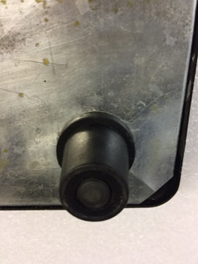
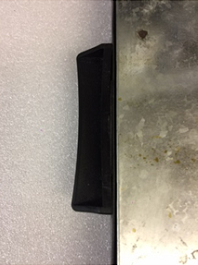
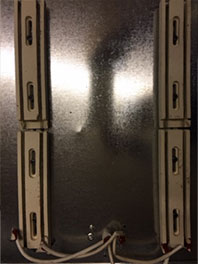
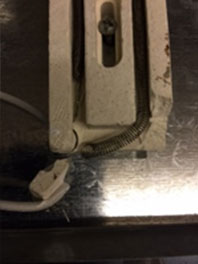
Some hotplates have a plastic junction box where the power cable connects to the internal wiring. The plastic boxes tends to melt, distort and crack over time, exposing live wires. The plastic boxes usually do not have any ventilation thus heating the cables and wiring inside beyond their nominal temperature rating. this leads to the wiring insulation burning and disintegrating over time. Exposing live wires, which can short circuit causing a real fire hazard.
Often power cords are made from PVC which has a low temperature rating. If making contact with hot parts, they can easily melt exposing live wires or causing a short circuit. Often when damage to the cable occurs, this often goes unnoticed or is poorly repaired by hiding in tape.
Made Safer hotplates improve on this and more…
Heat safety sensor
High temperature thermal insulation
Metal handles and metal feet.
bespoke heater element bonded internally to the top of the hot plate
State-of-the-art heat management ensures heat is focussed on the hotplate top surface – safely away from work surfaces! Plus, an integrated ‘over temperature safety switch prevents damage to the appliance or its surroundings.
No flames, no fumes, no mess. All this! plus big savings in operating costs!